The Benefits of Choosing Flat Roofing for Your Property
Flat roofing presents a practical choice for many property owners. Its design enables for efficient use of resources and space. Reduced upfront expenses and maintenance requirements make it increasingly appealing. Additionally, flat roofs can enhance power conservation and sustainability. Yet, misconceptions often cloud their advantages. Understanding these aspects can help property owners make informed decisions about their roof choices. What advantages might flat roofing deliver to your home?
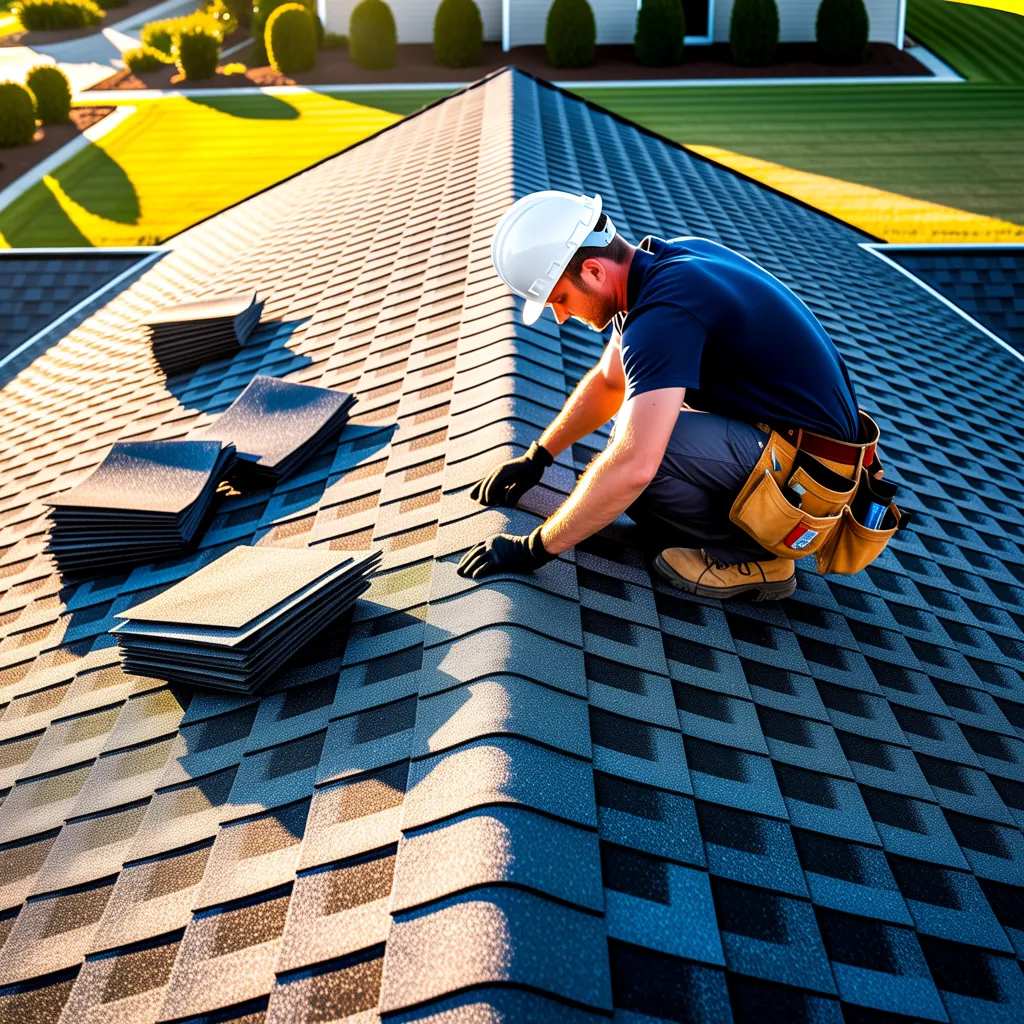
Why Consider Flat Roof Systems for Your Property?
When evaluating roofing options, property owners may realize that flat roofing offers distinct advantages. One significant benefit is economic efficiency. Flat roofs commonly require fewer materials than sloped designs, pointing to lower installation expenses. Additionally, maintenance proves to be more straightforward, granting for easier access during inspections and repairs.
An extra advantage lies in durability. Many flat roofing materials, such as TPO or EPDM, are designed to withstand intense weather conditions, providing long-lasting protection. This durability can reduce the frequency of replacements or repairs, even further enhancing cost savings over time.
Also, level roofs can allow the addition of energy-efficient systems, such as solar panels or green roofs, which may deliver long-term energy savings. In essence, flat roofing offers property owners a practical solution that pairs functionality, robustness, and conceivable financial perks, making it a noteworthy option for assorted building types.
Increase Area With Flat Roofs
Flat roofs offer outstanding potential for increasing functional area in both commercial and residential properties. Unlike traditional pitched roofs, flat roofs provide a flexible space that can be utilized for multiple uses. Rooftop gardens, decks, and exterior seating areas can improve the visual design and practical use of a building, creating additional recreational spaces.
Throughout commercial settings, flat roofs are able to contain HVAC systems, solar panels, or even green roofs, advancing energy efficiency and sustainability. Additionally, the flat surface makes possible easier access and maintenance compared to sloped roofing systems.
This design also enables the creation of upward additions, such as additional stories or elevated workspaces, without impairing the original footprint of the property. By taking advantage of the roof's potential, real estate investors can significantly enhance both their available space and market worth, making it a wise option for enhancing utility and pleasure.
Affordable Flat Roofing Possibilities
While many roofing choices are offered, cost-effective flat roofing solutions excel for their cost-efficiency and usefulness. Diverse materials can be utilized, including modified bitumen, PVC, and EPDM rubber, each presenting unique benefits at reasonable prices. Modified bitumen, as an example, is known for its durability and straightforward installation, making it a appealing option for cost-aware property owners.
PVC roofs, while initially higher priced, offer outstanding thermal efficiency and extended lifespan, ultimately reducing lifetime expenses. EPDM rubber is yet another preferred alternative, regarded for its durability and reduced maintenance needs.
These materials not only minimize initial expenses but also help in conserving power, leading to additional reductions on utility bills. By selecting the right flat roof solution, property owners can attain a equilibrium between cost and performance, ensuring a financially sound investment that satisfies their requirements effectively.
Your Flat Roof Upkeep Made Easy
Preserving a flat roof can be basic, analysis notably when deploying economical materials like modified bitumen, PVC, or EPDM rubber. These materials are fashioned for reliability and necessitate minimal servicing, making them optimal for property owners wanting stable answers. Thorough check-ins are critical, allowing for the advance warning of potential complications such as pooling water or debris accumulation.
Maintaining the surface regularly guarantees that drainage systems remain clear, preventing water damage and extending the roof's lifespan. Additionally, adding a protective coating can improve protection to UV rays and extend the roof's longevity.
Instead of peaked roofs, flat roofs allow better access for upkeep tasks, reducing the chance of problems during repair and inspection work. Fundamentally, the ease of maintaining a flat roof, together with the proper materials, can deliver important savings and peace of mind for property owners.
Energy Efficiency and Environmental Responsibility
Maximizing power savings and ecological responsibility is a notable plus of flat roof options. These tops often feature substances that reflect sunlight, curtailing heat retention and lowering cooling costs during heat-intensive months. This characteristic leads to less reliance on air conditioning, which can markedly minimize energy consumption and linked expenses.
Also, flat roofs can be installed with insulation materials that optimize heat management, aiding a comfortable interior atmosphere. The capacity to introduce green roofing technologies further enhances sustainability. By minimizing thermal buildup in populated centers, level roofs help achieve improved air quality and lower energy requirements.
In addition, flat roofing is typically easier to care for and fix, which can lead to extended lifespans and minimized waste. Overall, the eco-conscious and power-saving aspects of flat roofing systems make them an attractive choice for environmentally conscious property owners aiming to lower their environmental impact while gaining financial advantages.
Wide-ranging Applications: Rooftop Growing Spaces and Solar Panels
Flat roofs offer unique opportunities for innovative uses, including rooftop gardens and solar panels. Rooftop gardens not only improve aesthetics but also furnish insulation and promote biodiversity. Meanwhile, the deployment of solar panels on flat roofs optimizes energy efficiency, capturing sunlight efficiently to minimize utility costs.
Rooftop Garden Rewards
Rooftop gardens present substantial advantages, effortlessly weaving nature into urban areas. These planted spaces boost aesthetic value, converting unremarkable rooftops into vibrant sanctuaries. They also deliver important environmental benefits, including boosting air quality and minimizing urban heat via natural cooling methods. Besides, rooftop gardens can operate as adaptable locations, presenting areas for rest, community events, or even urban farming. They support biodiversity by developing habitats for diverse species, supporting ecological equilibrium throughout city regions. Additionally, these gardens can assist in stormwater runoff management, minimizing flooding risks. In conclusion, the incorporation of rooftop gardens represents a renewable approach that strengthens both property value and the quality of life for urban inhabitants.
Solar Panel Performance
A growing number of homeowners and firms are realizing the benefits of solar panels as a effective means for renewable energy generation. Flat roofs provide an perfect platform for solar panel installation due to their unobstructed exposure to sunlight. This placement enables peak performance, optimizing energy capture all day long. The uniform surface of flat roofing enables simpler maintenance and installation relative to sloped roofs. Adding solar panels can greatly reduce energy bills, contributing to more sustainable properties. Besides that, integrating solar panels with rooftop gardens boosts insulation and mitigates urban heat, demonstrating the adaptability of flat roofing. Finally, the integration of solar energy with flat roofs promotes environmental sustainability and yields financial rewards.
What Are Standard Myths About Flat Roofing?
What misconceptions encompass flat roofing? Many property owners believe that flat roofs are prone to leaks and demand more upkeep than sloped roofs. However, modern materials and innovations have considerably enhanced their durability and water resistance. Another common myth is that flat roofs lack aesthetic appeal. In reality, they provide versatility in design and can accommodate rooftop gardens or solar panels, enhancing both functionality and appearance. Some also argue that flat roofs cannot handle heavy snow or rain. In truth, proper drainage systems can efficiently manage these conditions. Finally, there is a notion that flat roofing is less energy-efficient. When installed correctly with adequate insulation, flat roofs can provide excellent energy savings. By debunking these myths, property owners can make informed decisions about the benefits and practicality of flat roofing solutions.
Regularly Requested FAQs
How long does a flat roof usually last?
A flat roof commonly lasts between 15 to 30 years, contingent on materials used, installation quality, and maintenance. Consistent assessments and prompt maintenance can extend its lifespan considerably beyond the average duration.
What Are the Optimal Components to Use in Flat Roof Installation?
The finest choices for flat roofing are PVC, TPO, EPDM rubber, and modified bitumen. Each offers unique advantages, such as strength, better performance, and weatherproofing, which makes them sought-after choices for diverse applications.
Can I install a flat roof on my own?
Constructing a flat roof solo is possible for those with satisfactory talents and knowledge. However, it requires cautious organization, suitable materials, and adherence to local building codes to guarantee robustness and safety throughout the installation process.
What is the method flat roofs cope with intense rainfall?
Flat roofs manage heavy rain through effective drainage systems, including internal gutters and scuppers. Proper installation and maintenance are essential to avoid standing water and possible water-related harm, ensuring durability and performance in adverse weather conditions.
What Outstanding Moisture Drainage Options Are Offered for Flat Roofs?
Effective water removal systems for flat roofs feature internal drains, scuppers, and tapered insulation. These systems direct water flow towards designated drainage points, preventing ponding and potential structural damage from accumulated water during heavy rainfall.